
Cache County Residents Directory
The Cache County residents directory brings together public records from county offices in Logan and state agencies that serve the area. Cache County sits in northern Utah with a population near 135,000 residents spread across the Cache Valley. Several offices keep records on people who live here, from the county sheriff to the recorder and the First District Court. You can search many of these records online. Others need a phone call or a trip to the county seat in Logan. This page covers the main sources for looking up public information on Cache County residents and how to access each one.
Cache County Quick Facts
Cache County Sheriff Records
The Cache County Sheriff's Office is a key source for residents directory data. The office handles law enforcement records, inmate information, and incident reports for unincorporated parts of Cache County and cities that contract for service. The sheriff's office is at 1225 W Valley View in Logan. You can call them at (435) 755-1000 to ask about records.
The Cache County residents directory page on the Cache County website shows how the sheriff's office works with the jail and court system. Inmate data is available through the Vinelink victim notification system. You can also call the jail to check if someone is in custody. The sheriff keeps records of arrests, bookings, and warrants. These are public under Utah's Government Records Access and Management Act, known as GRAMA (Utah Code 63G-2). Some records are classified as private or controlled, but most basic booking data is open to the public in Cache County.
Here is the Cache County Sheriff's Office page, where you can find contact details and resources for looking up residents directory records.
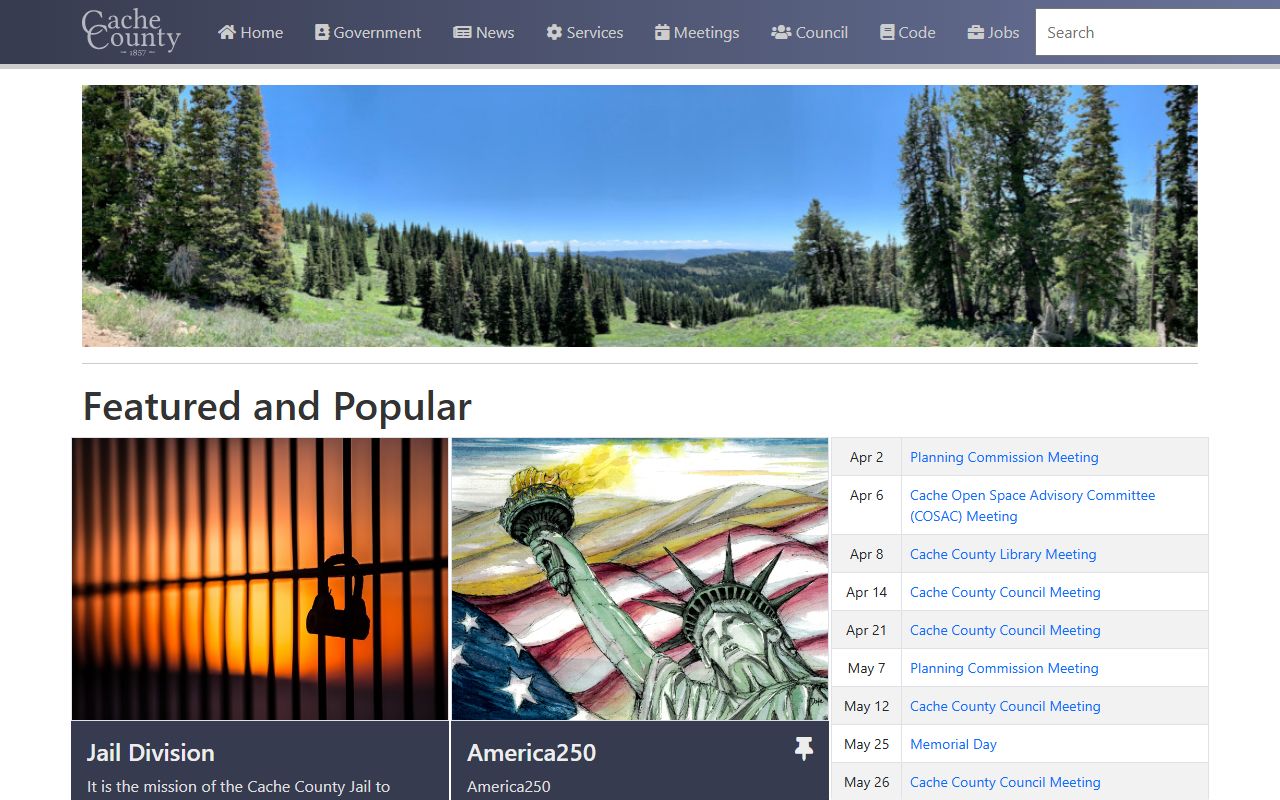
The sheriff's page links to key divisions and services that hold records on Cache County residents.
Search Cache County Court Records
The First District Court handles cases for Cache County residents. Court records include civil cases, criminal cases, divorce filings, and small claims. The Utah Courts website lets you search case records by name or case number. This free tool covers all Utah courts, so you can find Cache County cases from your home. Basic case info like parties, filing dates, and case status shows up in the results.
For full documents or certified copies, you need to contact the court clerk. The Cache County courthouse is in Logan. Walk-in visits are possible during business hours. You can also send a written request by mail. Court records in Cache County go back many years. Older cases may take longer to pull up. The clerk can help you find what you need if you have a name or date range. Under GRAMA, most court records are public. Some files in family law or juvenile cases may have restricted parts.
| Court |
First District Court 140 N 100 W Logan, UT 84321 Phone: (435) 750-1300 |
|---|---|
| Hours | Monday through Friday, 8:00 AM to 5:00 PM |
| Online Search | utcourts.gov |
Cache County Property and Land Records
The Cache County Recorder keeps property and land records. These show who owns what in the county. Deeds, liens, mortgages, and plat maps are all on file. The recorder's office is at 179 N Main St in Logan. Call (435) 755-1530 for questions about Cache County property records.
Property records are useful for the Cache County residents directory because they tie people to addresses. A deed search shows current and past owners. Liens show debts against property. Tax records from the Utah State Tax Commission also connect to property data. You can look up Cache County property tax info through the county assessor's office. Most of these records are public. You do not need to own the property or be a party to see the records. The recorder can also tell you about recording fees if you need to file a new document in Cache County.
The Utah State Archives at archives.utah.gov holds older Cache County records that the county may no longer keep on site. Historical property records, old court files, and vital records often end up in the state archives. If you are looking for something from decades ago in Cache County, the archives are worth checking.
Cache County Residents Directory Resources
Several state databases help round out the Cache County residents directory. The Bureau of Criminal Identification (BCI) at bci.utah.gov manages criminal history records for all of Utah. You can request a criminal history search through BCI that covers Cache County arrests and convictions. The fee is $15 for a name-based search. Results come back in a few business days.
The Utah State Courts system at utcourts.gov provides a statewide search tool. This is helpful because some Cache County residents may have cases in other counties. A single search can pull up records from any Utah court. The Department of Corrections runs an offender search at corrections.utah.gov that shows people on probation or parole. This database covers the whole state, including anyone from Cache County under state supervision.
The screenshot below shows the Utah BCI criminal records page, which is a statewide resource that applies to Cache County residents.
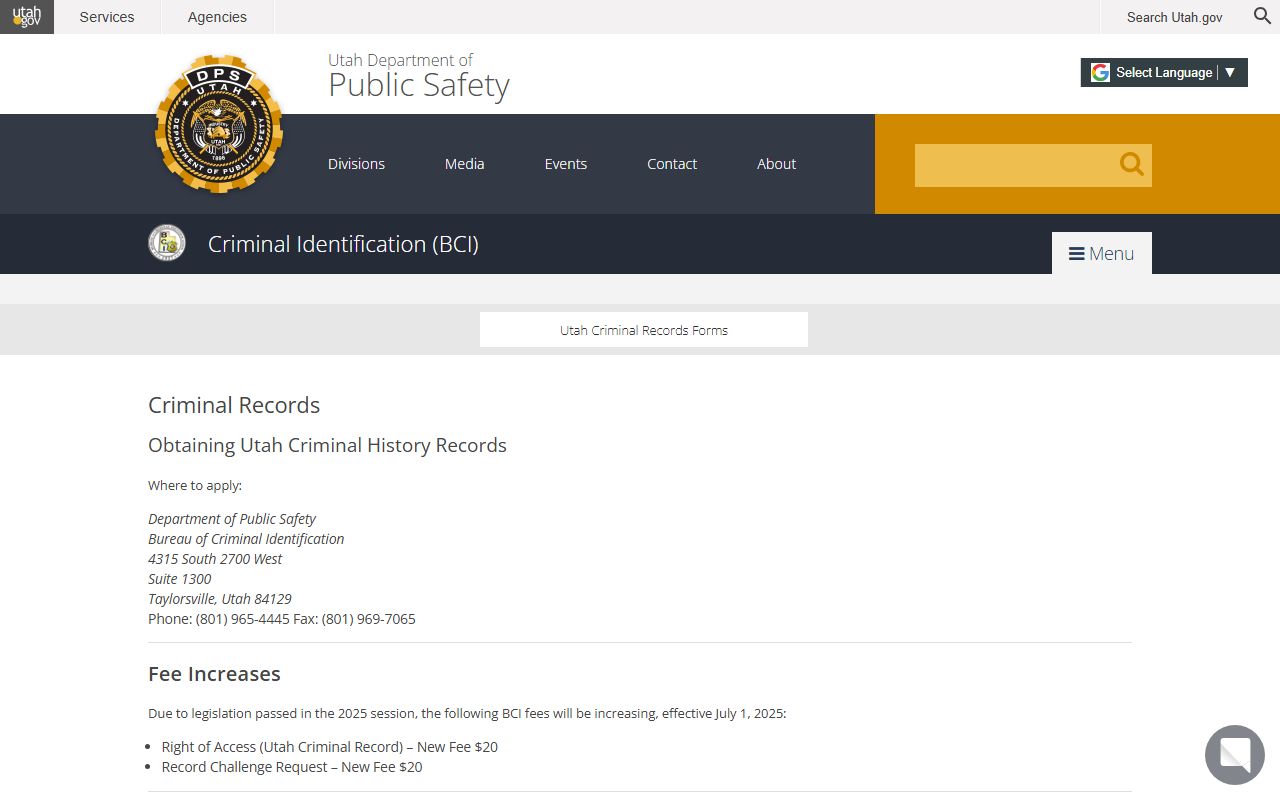
BCI is the main state agency for criminal history checks in Utah.
Vital Records for Cache County
Birth, death, marriage, and divorce certificates for Cache County residents are handled by the Utah Office of Vital Records. This state office keeps records going back to 1905. You can order copies online, by mail, or in person at their Salt Lake City office. Fees start at $25 per certified copy. Not everyone can get every type of record. Birth certificates, for example, are restricted to the person named, their parents, or a legal representative.
Marriage licenses in Cache County are issued by the county clerk. You can find marriage records by contacting the clerk's office in Logan. Divorce records are held by the First District Court. Under Utah law, vital records serve as key pieces of the residents directory because they document major life events. The VINE system is another statewide tool that tracks inmates and notifies victims when an offender's custody status changes. It works for Cache County jail and state prison inmates alike.
How GRAMA Applies in Cache County
Utah's public records law is GRAMA. It stands for the Government Records Access and Management Act. You can find the full text at Utah Code Title 63G, Chapter 2. This law says that most government records are open to the public. It covers all Cache County offices. If you want a record and the office says no, you can file a GRAMA request. The office has to respond in 10 business days.
Some records are private or controlled under GRAMA. Medical info, some tax data, and certain law enforcement details fall in those categories. But the default is public. The Cache County residents directory relies on this law for access. Fees for copies are set by each office. The cost is usually small. You pay per page or per record. If the office denies your request, you can appeal to the State Records Committee. GRAMA is the backbone of open records access in Cache County and across all of Utah.
The GRAMA records access page shows how the state handles public records requests.
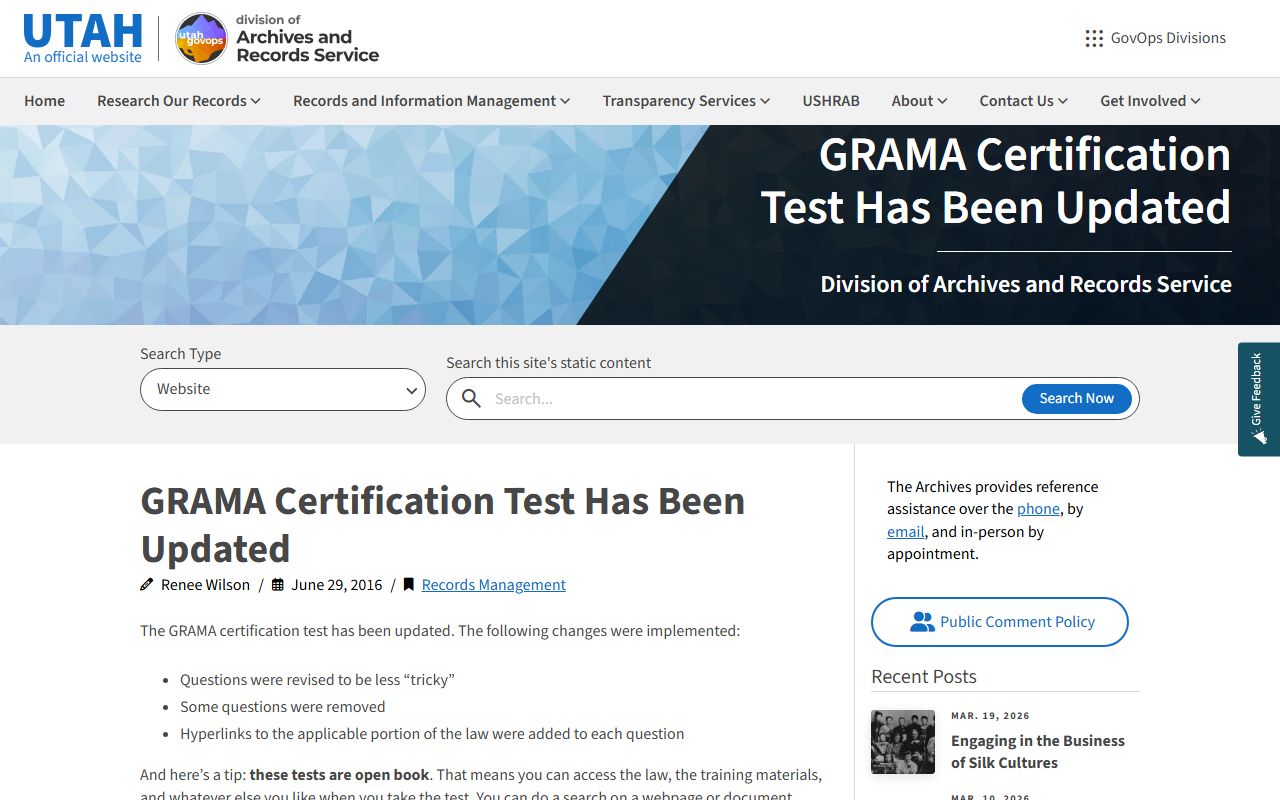
This resource is useful for anyone trying to get Cache County records that are not available online.
Cities in Cache County
Cache County has several cities and towns. The largest is Logan, which is also the county seat. All county-level records for residents of these cities are kept in Logan.
Other communities in Cache County include Hyde Park, North Logan, Providence, and Hyrum. These smaller towns do not have their own pages but are served by Cache County offices.
Nearby Counties
If you need records from a neighboring area, these counties border Cache County. People sometimes have records in more than one county, especially if they moved or worked across county lines.